
Contemporary

Stone
House
Stone
House
Replacing a dilapidated cottage with poor orientation and limited natural light, this contemporary stone and timber house demonstrates how thoughtful design transforms constraints into opportunities. Set adjacent to the Longleat Estate within an Area of Outstanding Natural Beauty, the new dwelling achieves what its predecessor could not—capturing expansive countryside views whilst maximising solar gain throughout the year.
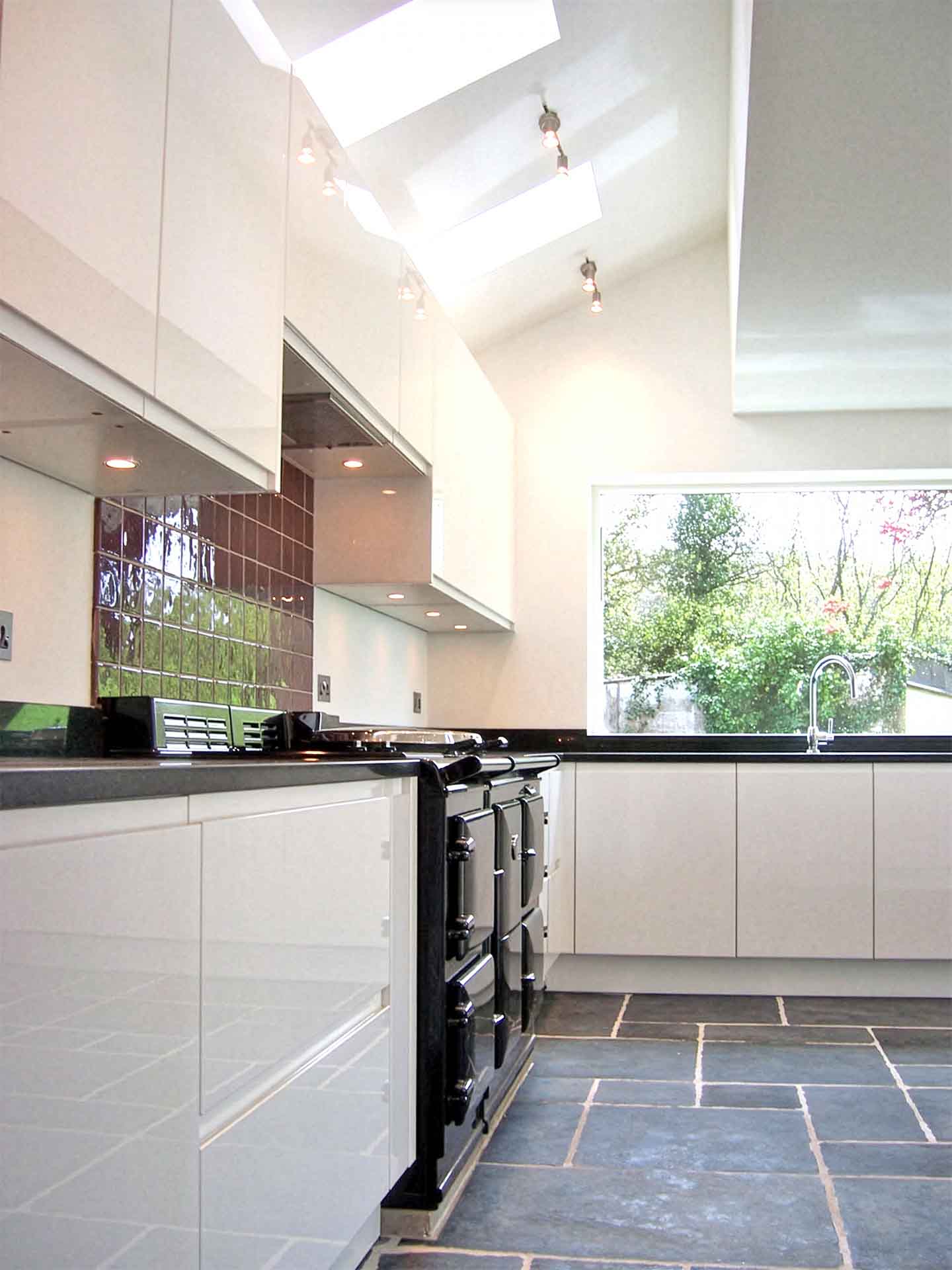
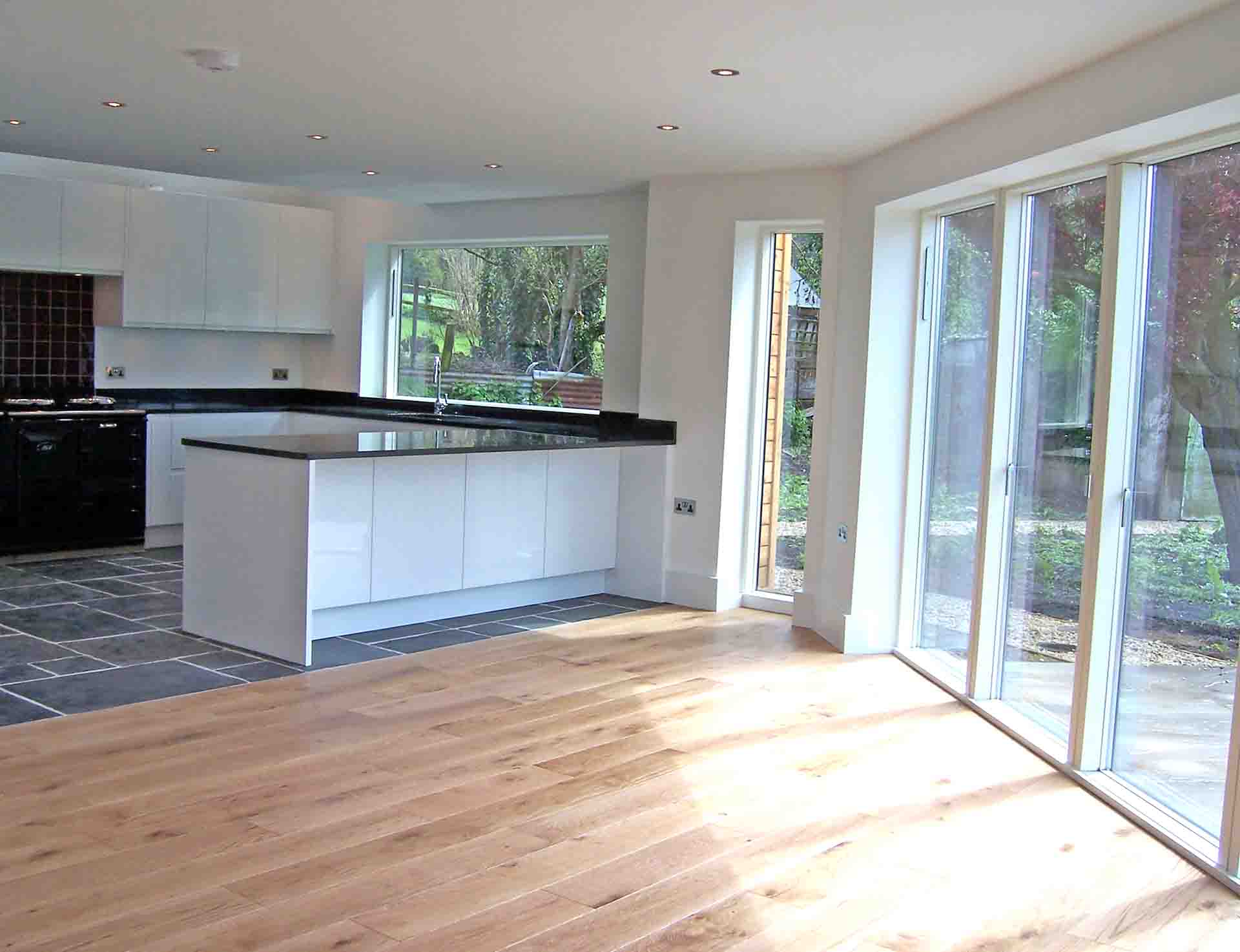
The design revolves around a mature oak tree that gives the house its name. Strategic rotation of the plan positions principal rooms to frame this landmark through large glazed openings, whilst subtle angular adjustments in the kitchen and bedroom layouts intensify the visual connection between interior and landscape. The result is a home that performs as a modern, low-energy dwelling whilst respecting traditional Somerset vernacular through locally sourced stone and larch cladding.
Securing planning permission for a replacement dwelling in open countryside required careful negotiation, but the final scheme demonstrates that contemporary sustainable design can enhance sensitive rural settings. Working with skilled local builders, the house was completed to exacting standards of craftsmanship whilst maintaining budget discipline—an achievement that earned recognition at Ecobuild with NASBA and presentation at the Bath and South West Homebuilding and Renovating Show.
Project:
The Oak
Location:
Frome, Somerset
Discuss Your project
Awards and Publicity
Featured at Ecobuild with NASBA
Awards and Publicity
Showcased at Bath and South West Homebuilding and Renovating Show
View Slideshow








Project Details
Design Concept and Site Response
The original cottage presented a familiar problem in rural dwellings—a floor plan that turned its back on the best aspects of the site. Limited natural light, restricted views, and poor solar orientation compromised both comfort and connection to the surrounding Area of Outstanding Natural Beauty. Rather than simply replicating the existing footprint, the design approach began with a fundamental reorientation.
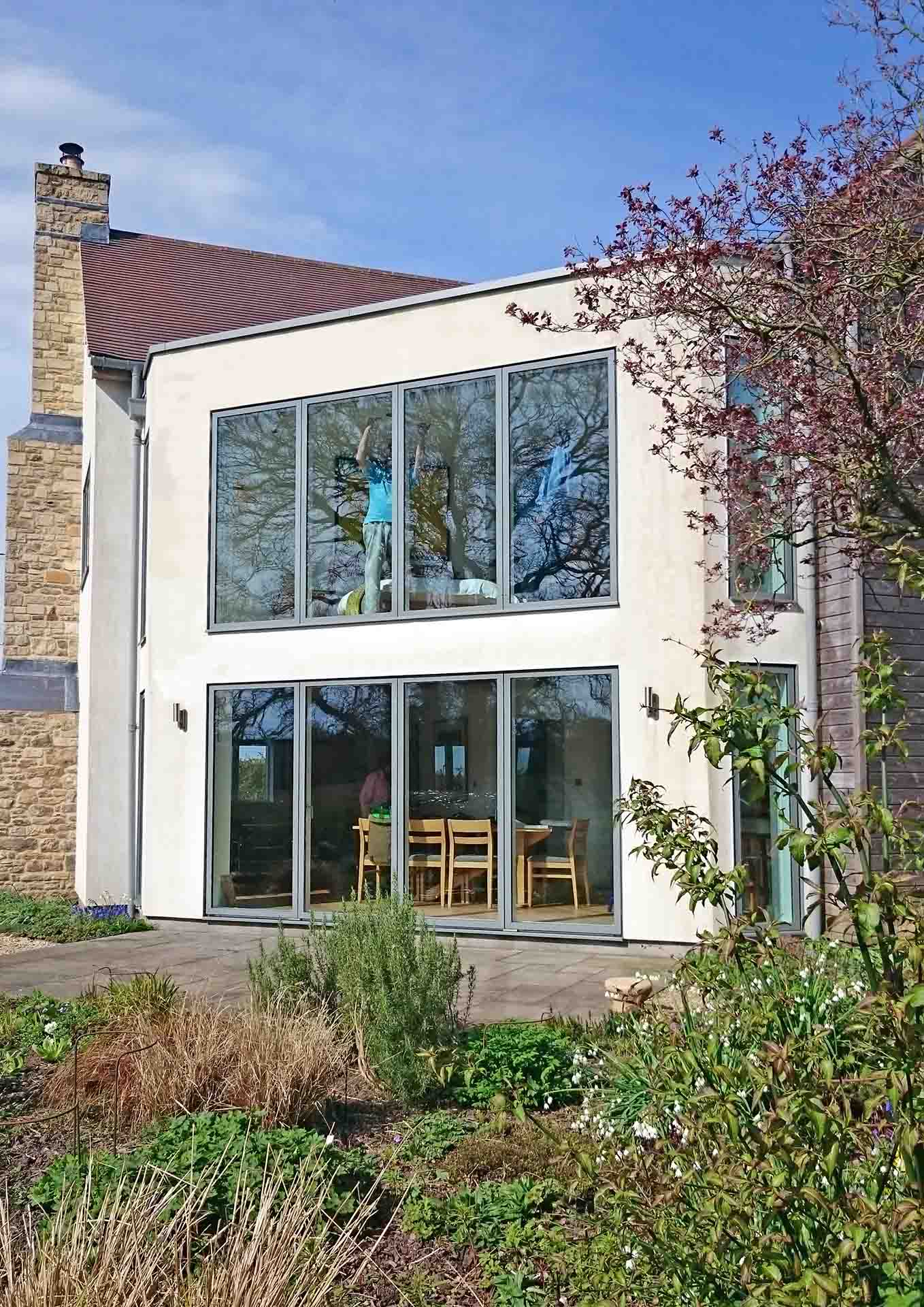
By rotating the layout, the new house positions living spaces to capture southern light throughout the day whilst framing carefully composed views across the Longleat Estate countryside. The mature oak tree that dominates the site became the conceptual anchor point. Rather than treating it as an obstacle, the design choreographs interior spaces around this landmark feature, with the kitchen and bedroom plans subtly angled to intensify sightlines through double-height glazing. This creates a dynamic relationship between architecture and landscape—one that changes with the seasons as the oak’s canopy transforms.
Material Palette and Contextual Integration
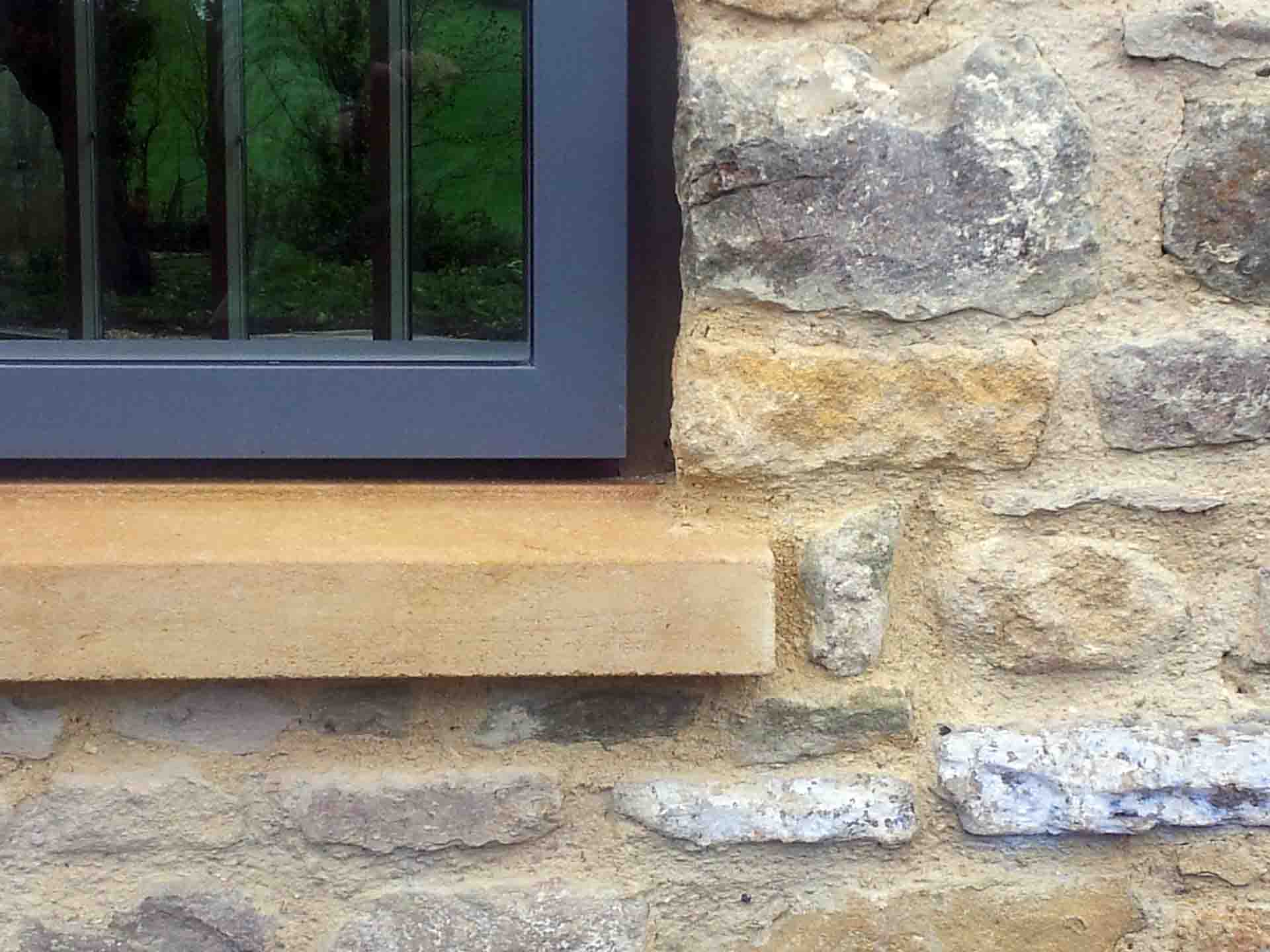
The material strategy balances contemporary performance requirements with sensitivity to Somerset’s vernacular traditions. Locally quarried stone provides visual weight and permanence to street-facing elevations, ensuring the house reads as a considered addition to the rural setting rather than an imported design. This traditional language is complemented by larch wall cladding—a cost-effective, locally available timber that will weather naturally over time, softening the building’s presence within the landscape.
External self-coloured render was specified for its durability and colour retention, eliminating ongoing maintenance whilst providing crisp contemporary detailing around window openings. The combination of stone, timber, and render creates textural variety that responds to changing light conditions throughout the day, giving the elevations depth and character without resorting to gratuitous detail.
Sustainable Design and Thermal Performance
Environmental performance was integral to the design brief from inception. The clients required a home that would deliver year-round thermal comfort with minimal running costs—an ambition that shaped both envelope specification and construction methodology. The timber frame structure was selected for speed of erection and inherent thermal efficiency, with the frame detail deliberately staggered to eliminate cold bridging—a common weak point in conventional timber construction.
Insulation comprises recycled newspaper, a natural material that provides excellent thermal performance whilst avoiding the environmental impact of petrochemical alternatives. This specification, combined with careful attention to airtightness detailing, ensures the house maintains comfortable internal temperatures with minimal heating input. Large south-facing glazed openings maximise passive solar gain during winter months, whilst generous eaves overhangs prevent overheating in summer—simple passive design principles executed with precision.
The result is a low-energy home that prioritises occupant comfort without reliance on complex mechanical systems. This approach aligns with ‘Home for Life’ principles, creating a dwelling that will remain comfortable and affordable to run as the clients’ needs evolve over time.
Planning Achievement and Delivery
Securing planning consent for a new dwelling in open countryside presented significant challenges. Policies typically resist such development to protect landscape character and prevent sprawl beyond settlement boundaries. The success of the planning application rested on demonstrating that the replacement dwelling would enhance rather than compromise the site’s visual contribution to the Area of Outstanding Natural Beauty.
This required careful presentation of design rationale, material choices, and landscape integration strategies. The willingness to work within a traditional aesthetic framework whilst delivering contemporary environmental performance proved persuasive, showing that sustainable design need not conflict with rural character.
Construction delivery maintained this commitment to quality. Collaboration with skilled local builders ensured traditional materials were handled with appropriate craft expertise, whilst the timber frame system allowed rapid weathertight enclosure. The project demonstrates that high standards of design and construction remain achievable within realistic budget parameters when architect, builder, and client share clear priorities.
Key Features
High-quality traditional design vocabulary paired with contemporary spatial planning creates a house rooted in Somerset vernacular, yet optimised for modern living. Sustainable construction principles deliver low energy consumption and minimal running costs without compromising aesthetic ambition. Strategic orientation and carefully positioned glazing frame landscape views whilst maximising natural daylight and passive solar gain. Recycled newspaper insulation and staggered timber frame construction eliminate thermal bridging, ensuring consistent internal comfort. Locally sourced stone and larch cladding respect regional material traditions whilst supporting the local supply chain.
To discover how MJW Architects can help you with your architectural project or ideas, please click the button below and get in contact with us. We will be delighted to help you.
Get In Touch